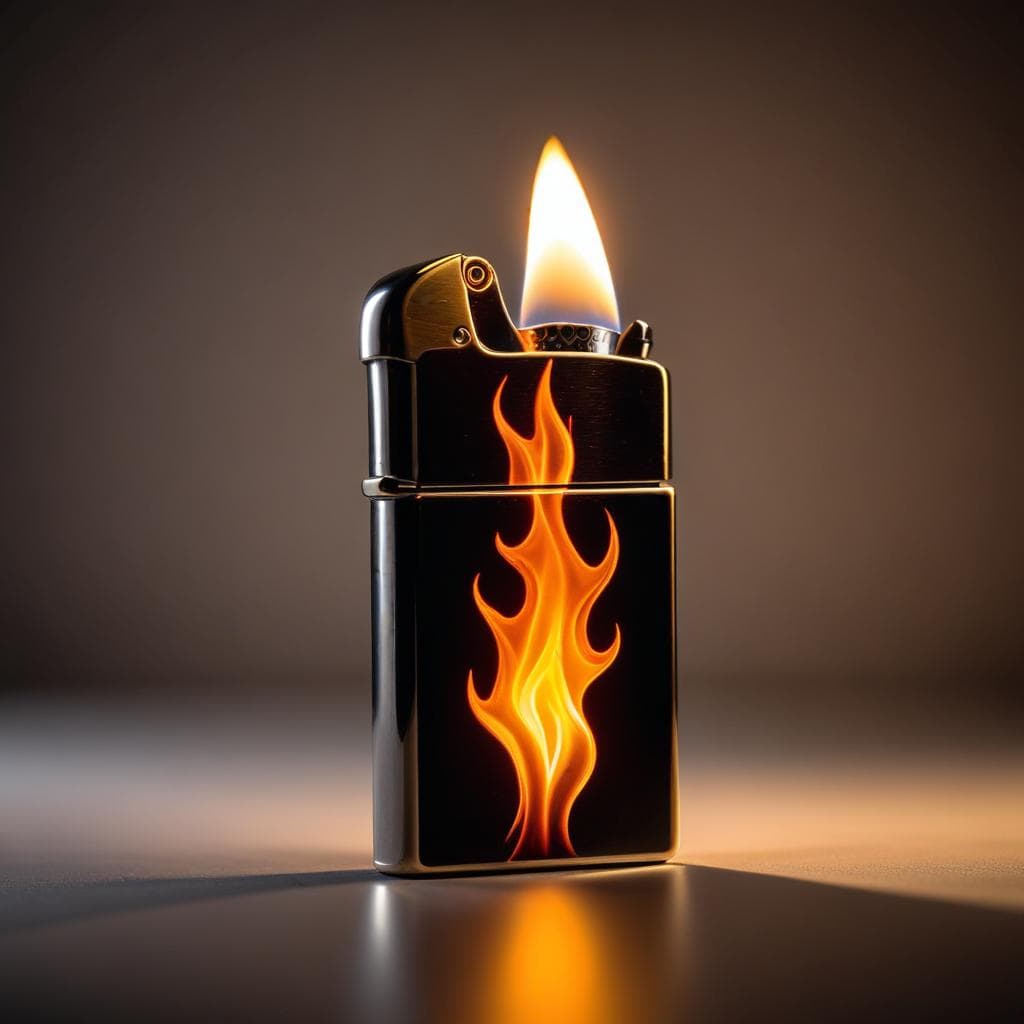
How Do Lighters Work? Complete Guide to Lighter Technology 2026
How Do Lighters Work? Complete Technology Guide
With 300+ monthly searches for "how do lighters work," understanding lighter mechanics helps users appreciate these everyday tools. This guide explains how different lighters function.
Basic Lighter Components
Essential Parts
1. Fuel Source:
- Butane gas (most common)
- Lighter fluid (Zippo)
- None (electric lighters)
2. Ignition System:
- Flint + friction wheel
- Piezoelectric crystal
- Electric arc/plasma
3. Flame Control:
- Fuel valve
- Flame adjuster
- Auto-shutoff mechanism
How Bic Lighters Work
Components
- Plastic body/fuel tank
- Butane fuel (pressurized)
- Friction wheel
- Flint rod
- Fuel valve
- Child-resistant guard
Step-by-Step Operation
1. Press Down:
- Thumb presses guard
- Opens fuel valve
- Butane gas flows out
2. Spark Creation:
- Wheel spins against flint
- Friction creates sparks
- Sparks ignite gas
3. Flame Produced:
- Butane ignites
- Flame appears
- Continues while pressed
4. Release:
- Valve closes
- Flame extinguishes
- Fuel stops flowing
Safety Features
- Child-resistant mechanism
- Pressure relief valve
- Flame height limiter
- Quality materials
How Zippo Lighters Work
Components
- Metal outer case
- Inner lighter unit
- Cotton batting (fuel holder)
- Wick
- Flint wheel mechanism
- Windproof chimney
Operation
1. Flip Open:
- Hinged lid opens
- Exposes wick
- Ready to light
2. Strike Wheel:
- Thumb spins wheel
- Flint creates spark
- Sparks ignite wick
3. Wind Protection:
- Chimney design
- Protects flame
- Wind-resistant
4. Close Lid:
- Cuts off oxygen
- Flame extinguishes
- Iconic "click"
Fuel System
- Fluid absorbed in cotton
- Wick draws fuel up
- Evaporates over time
- Needs weekly refills if used
How Torch Lighters Work
Jet Flame Technology
Components:
- Butane fuel tank
- Piezoelectric ignition
- Jet nozzle
- Fuel adjustment
- Safety lock
Operation:
1. Press Button:
- Opens pressurized fuel valve
- Butane jets out forcefully
2. Piezo Spark:
- Crystal creates electric spark
- No flint needed
- More reliable
3. Jet Flame:
- Pressurized gas ignites
- Creates focused jet
- Burns at 2,500°F
- Windproof design
Why Jets Work in Wind:
- Pressurized fuel
- Focused flame
- High velocity
- Oxygen mixing
How Electric Lighters Work
Plasma Arc Technology
Components:
- Rechargeable battery
- High voltage transformer
- Electrodes
- USB charging port
Operation:
1. Press Button:
- Activates circuit
- Battery powers transformer
2. High Voltage:
- Transformer steps up voltage
- Creates 1,000V+ between electrodes
3. Plasma Arc:
- Electricity arcs between electrodes
- Creates visible plasma
- Extremely hot (800°F+)
- Ignites materials
Why Windproof:
- No flame to blow out
- Electric arc unaffected
- Consistent heat
Ignition Systems Compared
Flint Ignition (Bic, Zippo)
How It Works:
- Friction wheel strikes flint
- Creates hot sparks
- Sparks ignite fuel
Advantages:
- Simple, reliable
- No batteries
- Easy to replace flint
- Time-tested
Piezoelectric Ignition (Torch)
How It Works:
- Button compresses crystal
- Crystal creates electric spark
- Spark ignites fuel
Advantages:
- No flint needed
- More reliable
- Longer lasting
- Instant spark
Electric Arc (Electric Lighters)
How It Works:
- Battery powers circuit
- High voltage arc created
- Arc provides heat
- No fuel needed
Advantages:
- No fuel required
- Rechargeable
- Windproof
- Eco-friendly
Fuel Systems
Butane (Most Common)
Properties:
- Pressurized gas
- Clean burning
- Odorless
- Efficient storage
Used In:
- Bic lighters
- Clipper lighters
- Torch lighters
- Most modern lighters
Lighter Fluid (Zippo)
Properties:
- Naphtha-based liquid
- Absorbed in cotton
- Evaporates over time
- Distinctive smell
Characteristics:
- Needs frequent refilling
- Works in all temperatures
- Classic lighter fuel
No Fuel (Electric)
Benefits:
- Zero fuel purchases
- Eco-friendly
- Just charge battery
- TSA-friendly
Maintaining Lighters
Disposable (Bic)
- No maintenance
- Use and dispose
- Store properly
- Keep dry
Refillable (Zippo)
- Refill weekly if used
- Replace flint yearly
- Clean occasionally
- Store with fuel
Torch Lighters
- Refill when empty
- Purge air before refilling
- Clean nozzle
- Adjust flame height
Electric
- Charge regularly
- Clean electrodes
- Store dry
- Battery care
Custom Lighters Technology
Custom lighters maintain quality:
Quality Standards:
- Same mechanisms as standard
- Safety certified
- Reliable ignition
- Professional printing doesn't affect function
Customization:
- Full-color printing on body
- Doesn't impact mechanics
- Professional quality
- Request mockup
Pairing Products
Complete kits:
Conclusion
Lighters use simple but effective technology - spark meets fuel creates flame. Different types serve different needs.
Key Points:
- Bic: Friction sparks ignite butane
- Zippo: Flint ignites fluid-soaked wick
- Torch: Piezo spark ignites pressurized jet
- Electric: High voltage arc provides heat
Ready to Create Your Custom Lighters?
Put your brand in your customers' hands. Get a free mockup in 24 hours.
Related Articles
The Complete Guide to Windproof Lighters: How They Work and Why You Need One
The Fascinating History of Lighters: From Flint and Steel to Modern Flames